The manual is a floor, not a ceiling
Most organisations have a crisis document. It sits in a shared drive, full of escalation charts, templates and phone numbers that are two roles out of date. Its existence is often reported to the board as readiness.
It isn't. A manual describes an intended response. Readiness is the ability to produce one under pressure. The gap is made of people: whether the chief executive will take the call at two in the morning, whether legal and communications can agree a statement in an hour rather than a day, whether the person who knows most about the plant is reachable and willing to speak plainly.
Documents are necessary, but a crisis is not a compliance exercise. It is a set of decisions made quickly, with incomplete information, by people who are tired and being watched.
Readiness lives in decision rights
The most useful preparation is not a template. It is a short, specific agreement about who decides what.
Who can approve a holding statement without convening anyone? Who speaks to media, and who speaks to the regulator, and are those the same person? Who decides whether to evacuate, pause a service or recall a product? Who can commit the organisation to an apology? At what point does the board need to be involved, and who calls them?
These sound obvious until they are tested. In many organisations the answer to "who approves this?" is a committee, which in practice means nobody at the hour it matters. Take three plausible scenarios and trace the approval path for each. If it involves more than three people, it will not survive a real event.
Decision rights should be written down and known by the people who hold them. An authority nobody has been told about is not authority. It is a delay waiting for a crisis.
Relationships you cannot build at two in the morning
The second form of readiness is relationships, the one most often left to chance.
Journalists who have met your spokesperson before an incident are more likely to call for comment than publish without it. Regulators who know you will take a call. Community leaders who have argued with you in public and been treated fairly are more likely to believe you when it matters. None of this can be summoned on the day. Trust is built in uneventful times and spent in eventful ones.
This is not an argument for spinning journalists but for being a known, reachable, consistent organisation: returning calls when there is no story, explaining decisions when nobody is forcing you to, keeping the same spokesperson so that a face and a voice are familiar. In a multi-stakeholder environment, where one issue can move between media, community groups and government offices within hours, these small deposits matter.
The same applies internally: an operations manager who has never met the communications team will not think to call them at the start of an incident.
Rehearse the decisions, not the script
Rehearsal is where documents become capability, but only if it is designed honestly.
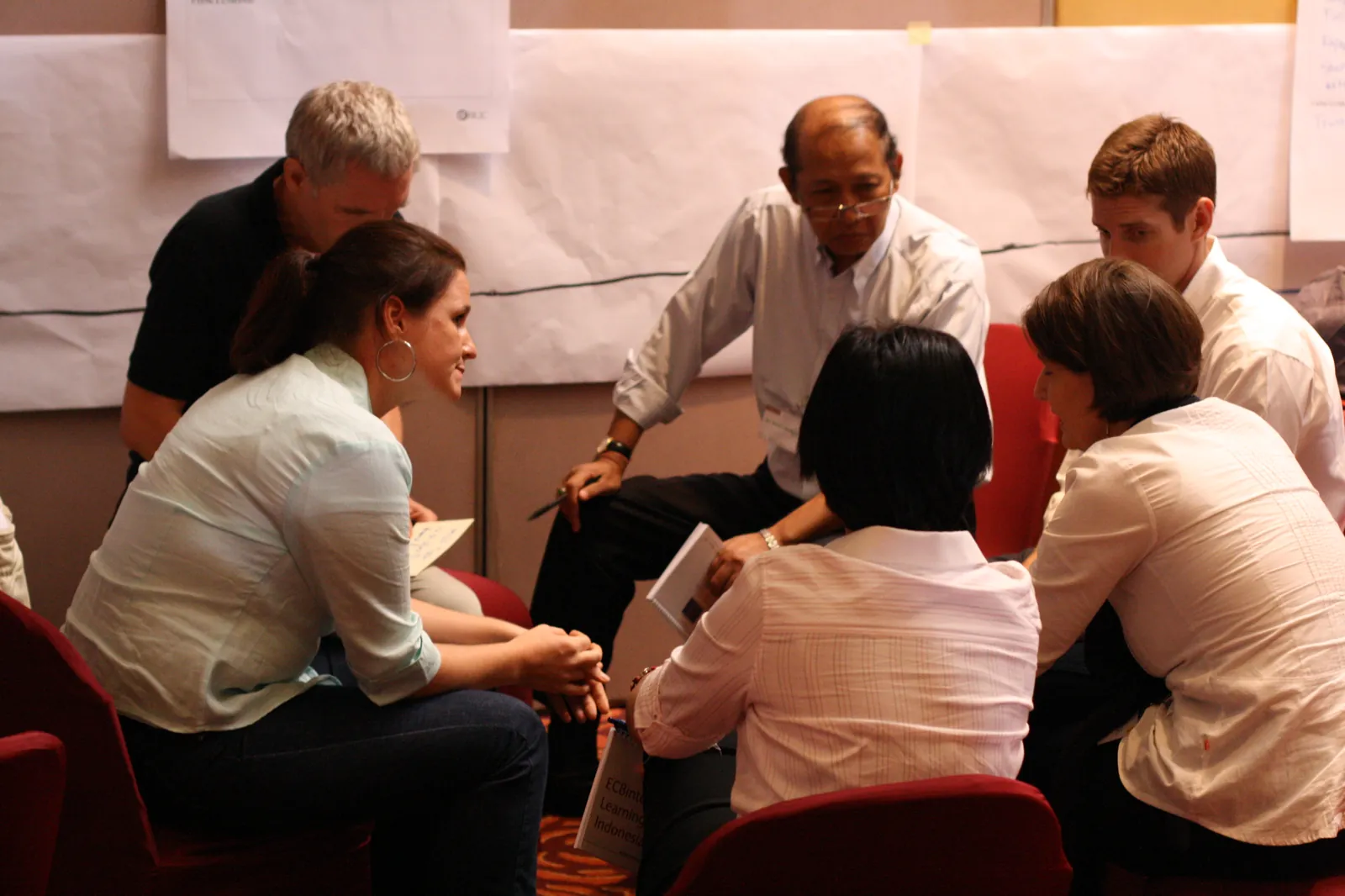
A tabletop exercise that walks a leadership team through a plausible scenario, with a clock running, reveals more than a hundred pages of guidance. Do it without the answer sheet. Give people incomplete information, as they will have in reality, and watch for the moment when someone says "we should check with legal" and the room settles back. That is a real finding.
Rehearse the first hour: who is called, in what order, who drafts and who approves. Rehearse the first public statement: who says it, on which channel, with what detail. Rehearse the internal cascade: will staff hear from the organisation before they hear from a journalist? If the incident has human consequences, rehearse the family and community dimension too. Media training belongs here, not in a separate annual ritual.
Then write down what broke. The value of an exercise is in the list of failures it produces, not the reassurance it provides.
What to test, and how to keep testing
A readiness check can be simple. Time how long it takes to reach every member of the crisis team, including on a weekend. Ask three people at random who the approved spokesperson is. Find out how long it would take to publish a statement on the website without a developer.
Most organisations discover an out-of-date escalation list, a website that cannot be updated quickly, or an approval path that runs through someone on leave. Better to find that on a Tuesday than during a product recall.
Readiness is not a project with an end date. It is a habit: a quarterly scenario hour, a review after every near miss, a standing relationship with the journalists and officials who cover your sector, a named deputy for every critical role, and a willingness to update the manual when an exercise shows it is wrong.
The floor is not a document. It is a group of people who know each other, know their authority, and have practised using it before the day they have no choice.
The takeaway
A manual can tell you what to do. Readiness is whether you can do it. Invest in the decisions, the relationships and the rehearsal, and treat the document as the record of those agreements rather than a substitute for them.

Klirkom InsightsPractical perspectives from the team at Klirkom, an independent public relations consultancy in Jakarta since 2003.